The Role of an Aluminum Casting Manufacturer in Sustainable Manufacturing
Wiki Article
The Important Uses Aluminum Casting in Various Manufacturing Sectors
Aluminum Casting is essential to lots of producing sectors, using unique benefits such as lightweight longevity and deterioration resistance. Its applications cover from automotive elements to aerospace components, improving efficiency and efficiency. Furthermore, the convenience of aluminum Casting sustains complex designs in durable goods and robust structures in industrial machinery. As sectors progress, the relevance of light weight aluminum Casting continues to grow, prompting expedition into its future developments and innovations.Automotive Sector Applications of Light Weight Aluminum Spreading
As the auto sector significantly focuses on light-weight products for improved gas performance and performance, light weight aluminum Casting becomes an important production technique. This process enables the creation of complicated geometries that are tough to attain with standard production techniques. Parts such as engine blocks, transmission cases, and suspension parts benefit considerably from aluminum's reduced density and high strength-to-weight proportion.By making use of light weight aluminum casting, producers can produce lighter automobiles that eat much less gas while maintaining architectural integrity. The flexibility of light weight aluminum likewise allows a series of surface area coatings and design options, enabling aesthetic and functional improvements.
Furthermore, aluminum's resistance to deterioration extends the life expectancy of vehicle components, reducing upkeep requirements. Aluminum Casting Manufacturer. As car manufacturers venture to fulfill stringent discharges policies and consumer demand for effectiveness, aluminum Casting plays a crucial duty in the improvement of vehicle modern technology, making certain vehicles are not only lighter but also a lot more effective and lasting
Aerospace Parts and Light Weight Aluminum Casting
A significant portion of the aerospace sector relies upon aluminum Casting to produce vital parts that need both strength and light-weight properties. The flexibility of light weight aluminum allows manufacturers to develop complex geometries essential for modern-day airplane style, such as engine mounts, structural structures, and fuselage components. Aluminum Casting methods, including sand Casting and pass away spreading, allow the manufacturing of parts with high dimensional precision and remarkable surface area finishes.The lightweight nature of light weight aluminum is essential for improving gas efficiency and general efficiency in aerospace applications. Furthermore, light weight aluminum's resistance to rust adds to the longevity and integrity of components subjected to extreme ecological problems. As aerospace modern technology developments, the need for cutting-edge aluminum Casting remedies proceeds to grow, driving r & d in casting alloys and approaches. Eventually, light weight aluminum Casting plays a vital function in fulfilling the rigorous criteria of safety and security and efficiency within the aerospace field.
Durable goods: The Function of Light Weight Aluminum Casting
While consumer goods may usually appear much less complicated than aerospace elements, light weight aluminum Casting plays a crucial function in creating a vast array of day-to-day items. This flexible manufacturing procedure allows the development of light-weight, long lasting products that are essential to contemporary living. Typical applications include kitchenware, such as pots and pans, where light weight aluminum's outstanding thermal conductivity boosts cooking performance - Aluminum Casting Manufacturer. Furthermore, customer electronic devices often incorporate aluminum components for their stamina and aesthetic appeal, contributing to both functionality and styleAluminum Casting likewise supports the manufacturing of auto parts like real estates and wheels, making lorries lighter and much more fuel-efficient. The capability to create accurate measurements and detailed shapes allows suppliers to introduce continually, conference customer demands for top quality and efficiency. Generally, aluminum Casting remains a critical element in the customer products market, balancing resilience, cost-effectiveness, and convenience in an ever-evolving market.
Industrial Machinery and Equipment Production
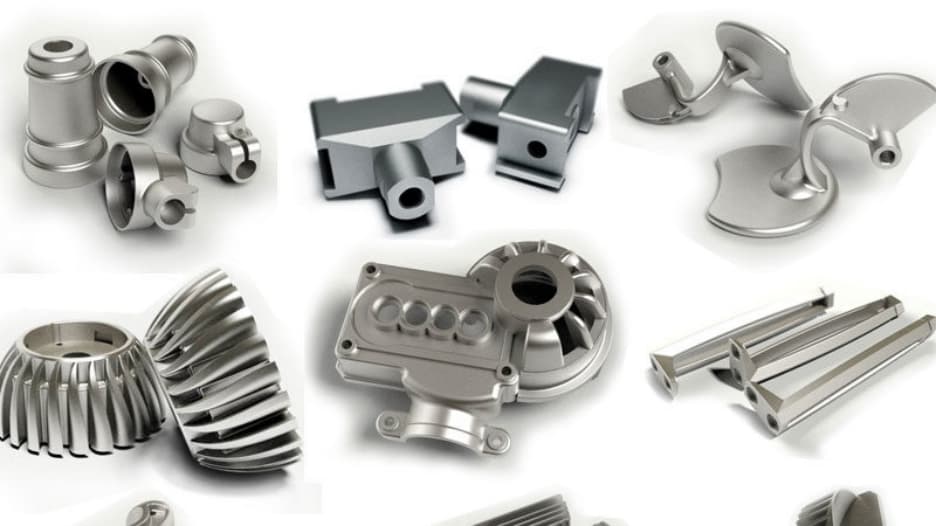
The adaptability of aluminum Casting makes it possible for the manufacturing of complex styles, subsequently helping with the combination of innovative technologies into equipment. Elements such as housings, structures, and connectors are typically created via this method, guaranteeing precision and dependability. Additionally, light weight aluminum's resistance to rust expands the lifespan of devices, minimizing upkeep prices and downtime.
As markets progress, the need for ingenious equipment solutions proceeds to climb, making light weight aluminum casting an indispensable method in the manufacturing of high-performance industrial tools. This fad highlights the ongoing value of aluminum Casting in driving advancements within the market.
Marine Industry Innovations With Light Weight Aluminum Casting
The aquatic sector has accepted light weight aluminum casting to enhance vessel style and efficiency. Developments concentrate on developing light-weight parts that boost gas effectiveness, while the material's deterioration resistance and longevity add to longer-lasting marine applications. These improvements reflect a significant change in the direction of maximizing both performance and sustainability in aquatic engineering.Light-weight Vessel Elements
As the aquatic market progressively focuses on performance and performance, light-weight vessel components made via light weight aluminum Casting have actually emerged as a vital advancement. These elements especially lower the total weight of vessels, enhancing gas effectiveness and rate. The precision of aluminum Casting enables the production of complex geometries that conventional production methods struggle to achieve, causing enhanced designs tailored for performance. Furthermore, the integral strength-to-weight proportion of light weight aluminum assurances that vessels keep architectural stability while gaining from weight decreases. This innovation not just enhances maneuverability however likewise permits for raised cargo capability. As an outcome, suppliers are embracing aluminum Casting strategies to satisfy the progressing demands of the competitive marine market, leading the way for even more effective and lasting vessel designs.Rust Resistance Benefits
Advancements in light weight aluminum Casting not only improve light-weight vessel components however additionally substantially improve corrosion resistance, a crucial factor in the marine environment. The unique properties of aluminum, incorporated with advanced Casting techniques, cause parts that stand up to severe deep sea conditions without catching rust or destruction. This strength substantially extends the lifespan of aquatic vessels, reducing maintenance expenses associated with corrosion-related damage. Furthermore, light weight aluminum's natural corrosion resistance is usually enhanced through protective coverings and anodizing processes, making it a perfect selection for numerous aquatic applications. As the market proceeds to introduce, the combination of light Aluminum Casting Manufacturer weight aluminum Casting technology functions as an essential remedy for makers intending to enhance the durability and integrity of aquatic tools in demanding environments.Boosted Durability Attributes
Numerous advancements in light weight aluminum Casting have resulted in markedly enhanced longevity features in aquatic applications. These technologies include the advancement of high-strength aluminum alloys that endure severe conditions, such as saltwater exposure and high-impact scenarios. Boosted Casting techniques have lessened issues, resulting in elements that preserve structural stability over longer durations. The introduction of innovative coverings likewise gives extra defense versus abrasions and deterioration, prolonging the life expectancy of marine devices. In addition, lightweight yet robust light weight aluminum castings facilitate better fuel effectiveness and maneuverability for vessels. Manufacturers can achieve both performance and safety requirements while decreasing maintenance costs, making aluminum casting a recommended choice in the affordable aquatic market.Architectural and architectural Uses Aluminum Spreading
Aluminum Casting plays an essential role in building and architectural applications, supplying both aesthetic charm and practical toughness. The flexibility of light weight aluminum permits lightweight frameworks and intricate layouts, making it a popular product in contemporary design. From attractive facades to architectural supports, aluminum castings offer sturdiness and resistance to deterioration, which is crucial in different environmental problems.In architectural applications, light weight aluminum spreadings can be utilized in beam of lights, columns, and trusses, making sure security while reducing weight. This particular is specifically valuable in high-rise structures and bridges, where lowering the overall lots can boost safety and effectiveness. Furthermore, light weight aluminum's recyclability contributes to lasting structure practices, aligning with contemporary ecological requirements.
Making use of light weight aluminum Casting in design not just fulfills functional requirements yet also enhances the visual effect of frameworks, adding to the overall visual of city landscapes and public rooms.
Future Patterns in Light Weight Aluminum Casting for Manufacturing
As the structural and building applications of light weight aluminum Casting proceed to increase, the production market is poised for considerable advancements. Advancements in casting techniques, such as 3D printing and advanced mold and mildew innovations, are anticipated to enhance precision and decrease lead times. Moreover, the growing emphasis on sustainability is driving the growth of eco-friendly Casting practices, including using recycled light weight aluminum and energy-efficient procedures. The assimilation of clever modern technologies and automation in casting centers will certainly boost and enhance operations item uniformity. Additionally, the automotive and aerospace industries are most likely to increase their reliance on light weight aluminum Casting because of the product's light-weight properties and strength, promoting gas efficiency. As these patterns progress, makers should adjust to changing needs and invest in r & d to preserve competition in a rapidly moving landscape. Overall, the future of aluminum Casting appears brilliant, with many possibilities for growth and development.Frequently Asked Inquiries
What Are the Ecological Impacts of Aluminum Casting Processes?
The ecological impacts of light weight aluminum Casting procedures include power usage, greenhouse gas discharges, and waste generation. In addition, the extraction and processing of resources add to habitat devastation and pollution, elevating problems concerning sustainability and environmental wellness.Exactly How Does Light Weight Aluminum Casting Contrast to Various Other Metal Casting Methods?
Light weight aluminum casting deals benefits like light-weight homes and deterioration resistance contrasted to various other metal Casting methods. It generally enables intricate designs and faster production cycles, making it a favored choice in numerous applications.What Is the Typical Life-span of Light Weight Aluminum Cast Products?
The normal life-span of light weight aluminum actors items differs extensively, commonly lasting from numerous years to years, relying on environmental conditions, usage, and upkeep. Top quality of the Casting procedure additionally considerably influences sturdiness and durability.What Safety And Security Preventative Measures Are Essential Throughout Aluminum Casting?
Safety and security preventative measures throughout aluminum Casting include using safety equipment, making sure proper ventilation, utilizing fire-resistant materials, and preserving equipment - Aluminum Casting Manufacturer. Additionally, workers need to be trained in emergency situation procedures and the handling of hazardous materials to avoid crashesHow Is Light Weight Aluminum Casting Recycled After Its Useful Life?
Aluminum Casting is normally recycled by thawing down the scrap product, removing impurities, and then changing it right into brand-new items. This process conserves energy and resources, adding to sustainability in manufacturing and lowering ecological impact.
As the vehicle market increasingly focuses on light-weight products for improved fuel effectiveness and efficiency, aluminum Casting emerges as an essential manufacturing method. A significant portion of the aerospace industry relies on light weight aluminum Casting to create vital elements that require both toughness and lightweight residential properties. While customer items may frequently appear less complicated than aerospace elements, light weight aluminum Casting plays a vital duty in creating a broad range of everyday items. As the marine sector increasingly prioritizes performance and performance, lightweight vessel elements made through aluminum Casting have emerged as a crucial technology. In addition, light-weight yet robust aluminum spreadings assist in better fuel effectiveness and maneuverability for vessels.
Report this wiki page